Estimated Read Time: 3 Minutes
Unlike regular leisure travel, World Cup bookings are driven by fixed match dates, city-specific demand, and international travel patterns. Fans plan around fixtures, not flexibility, which means hotels closest to stadiums, transport links, and fan zones are secured early.
Even well-connected neighbouring cities experience spillover demand, making availability unpredictable as the event gets closer.
Hotels performing well for World Cup travel
Alongside core host cities, agents are also securing hotels in feeder destinations and extended-stay cities that offer strong air connectivity, global brand trust, and reliable operations during peak travel periods.
5* Four Seasons Hotel Toronto, Canada

A premium city-centre hotel offering refined luxury, strong brand recognition, and excellent access to transport links. Well suited for clients combining match attendance with high-end city experiences.
4* The Westin Harbour Castle, Toronto, Canada
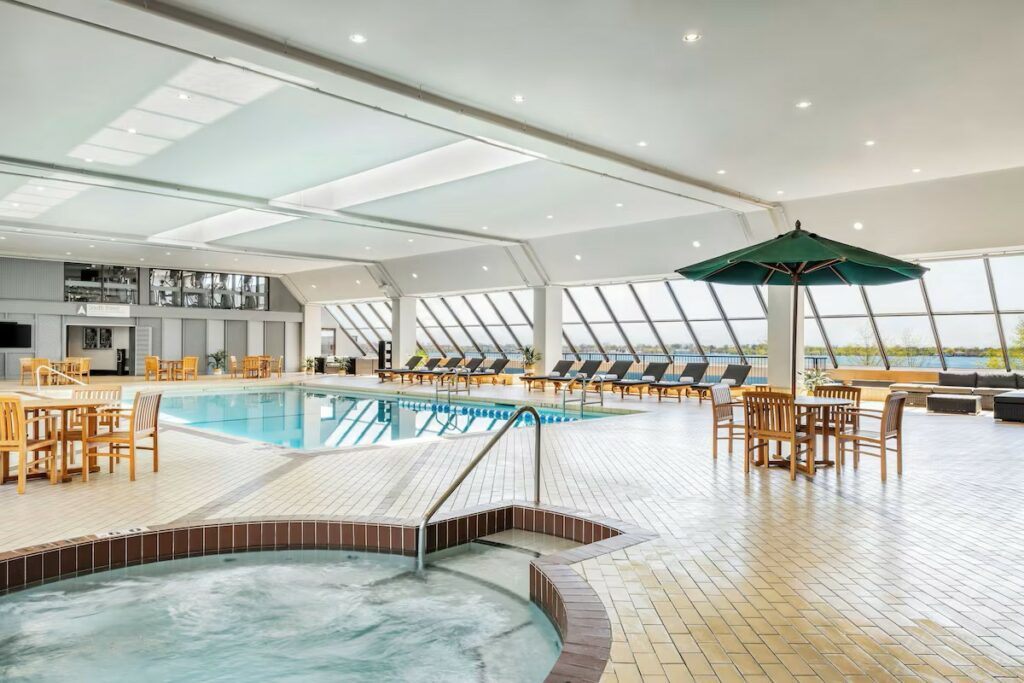
Popular for its waterfront location, large room inventory, and dependable service standards. A practical choice for short stays during peak match periods, especially for international travellers.
5* Hotel Bel-Air – Dorchester Collection, Los Angeles, United States

An ultra-luxury, low-density property appealing to high-net-worth clients seeking privacy, discretion, and world-class service alongside major sporting events.
4* The Garland, Los Angeles, United States
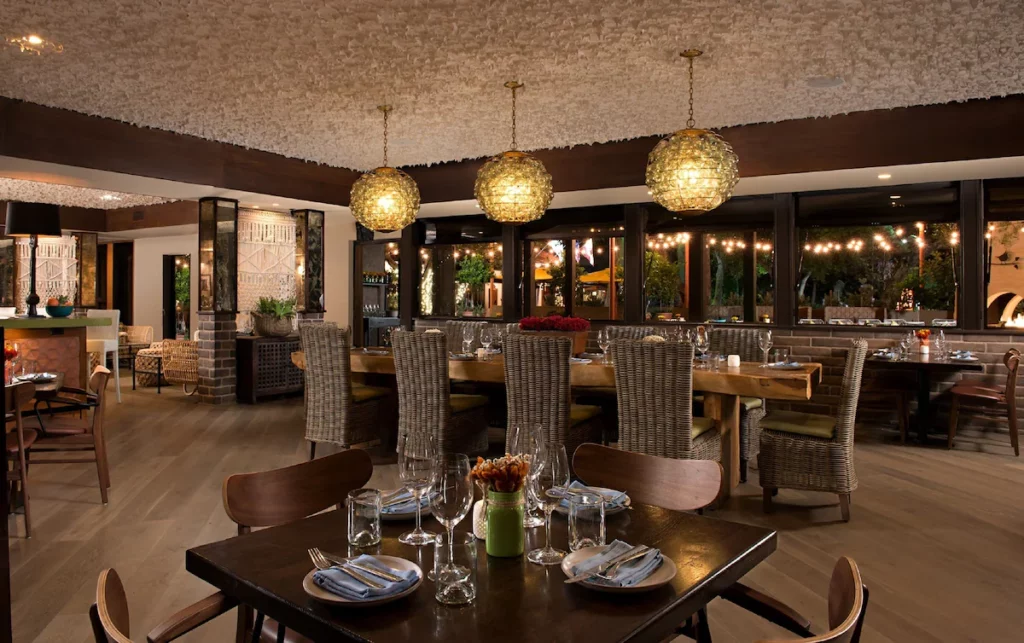
A lifestyle-focused hotel performing well for event travel, offering easy connectivity, relaxed comfort, and strong appeal for clients balancing matches with city exploration.
5* Playacar Palace, Mexico
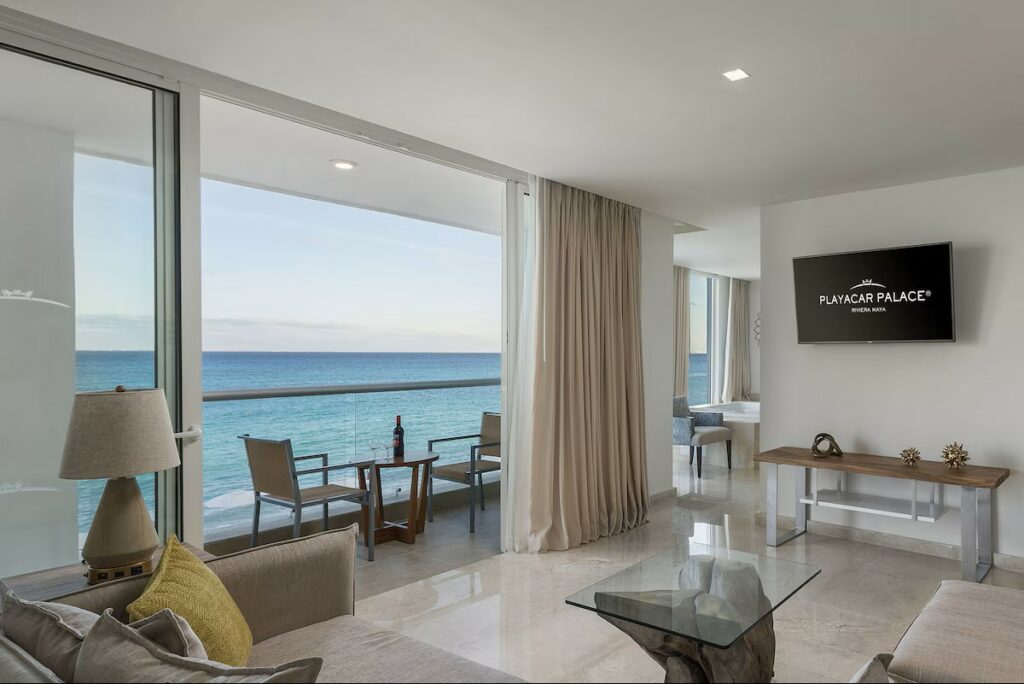
A beachfront luxury property appealing to clients extending their World Cup travel into leisure-focused stays, particularly popular for post-event relaxation.
4* Sandos Cancun All Inclusive, Mexico
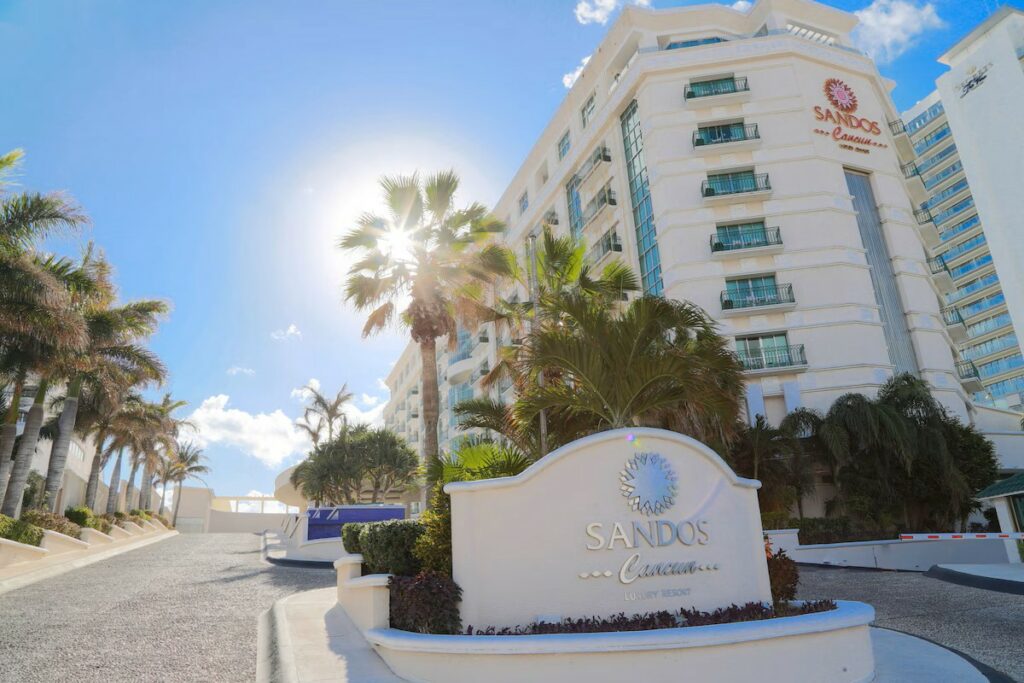
A value-driven all-inclusive option performing well for travellers seeking simplicity, clarity on costs, and short leisure extensions around match dates.
These hotels allow you to offer flexibility beyond core match cities while maintaining quality, brand reassurance, and operational reliability.
What clients are booking first
Your clients are prioritising:
- Hotels with strong transport connectivity to stadiums
- International brands that reassure first-time visitors
- Properties suitable for short, fixed-date stays
- Hotels that can support high-occupancy, high-turnover periods
Reliability, location, and clarity matter more than ever during major sporting events.
Why delaying can cost more than just availability
As demand builds:
- Rates adjust frequently
- Room categories disappear quickly
- Flexibility reduces closer to match dates
Securing hotels early allows agents to lock in suitable options and focus on flights, match schedules, and client experience, rather than last-minute problem-solving.
How Stuba helps agents stay ahead
With Stuba, agents can:
- Access a wide range of international hotels across host and feeder cities
- Compare availability across multiple properties quickly
- Use filters to prioritise location, star rating, and brand
- Reach out via your assigned account managers for booking-related queries or support
This allows agents to move decisively while managing client expectations clearly.
Top tips for travel agents
- Act early, especially for key match dates: Availability tightens fastest around opening games, knockouts, and finals.
- Sell location and connectivity: Easy transport access is often more valuable than proximity alone.
- Set clear expectations: Explain that rates and availability during major events are highly dynamic.
- Avoid last-minute dependence: Waiting limits choice and increases operational risk.
- Use trusted brands to reassure clients: Familiar hotel names help convert bookings during high-pressure travel periods.