Estimated Read Time: 4 Minutes.
Not all hotel bookings should be approached the same way. A hotel that works perfectly for a two-night city break may not suit a guest staying for a week or longer. For travel agents, understanding how stay length changes traveller expectations can make a huge difference when recommending the right property.
Today’s travellers are looking for more than just a place to sleep. The pace of the trip, the purpose of travel, and how much time clients actually spend in the hotel all influence what kind of property will work best.
That’s why matching the hotel to the length of stay has become one of the smartest booking strategies agents can use.
Why short stays are all about convenience
For short stays, clients usually want to maximise every moment of the trip. Whether it’s a quick city break, a stopover, or a business visit, travellers are often focused on location, accessibility, and efficiency.
Hotels close to landmarks, airports, shopping districts, or business hubs tend to perform best because they reduce travel time and simplify the itinerary.
4* Park Plaza Westminster Bridge London – London
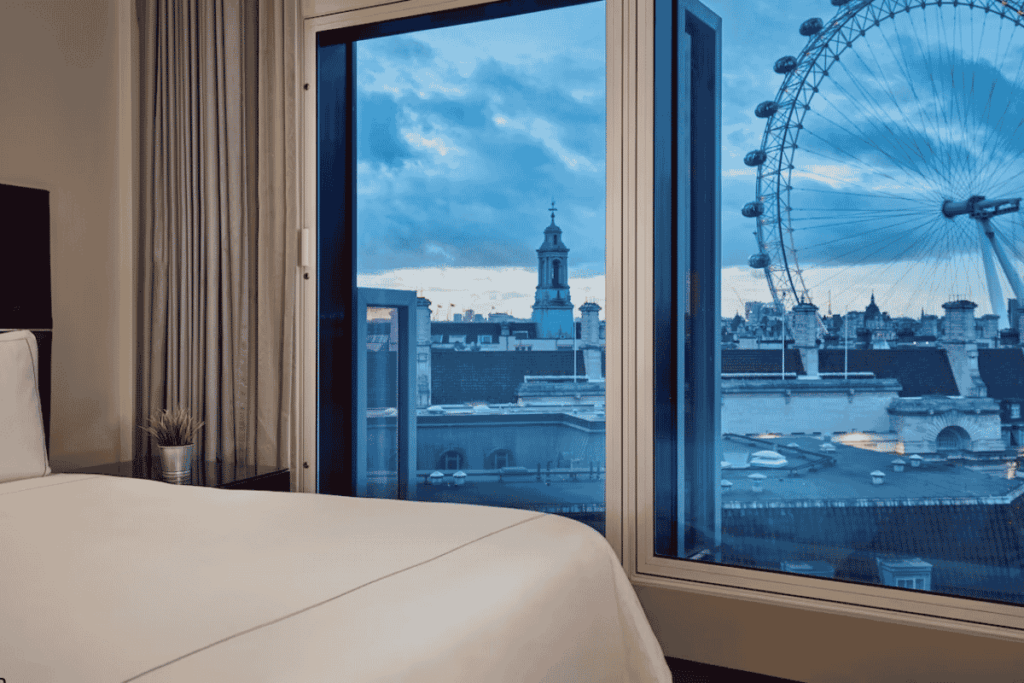
Perfect for short London breaks, this hotel places guests close to the London Eye, Westminster, and the River Thames. Its central location makes sightseeing quick and easy, especially for travellers staying only a few nights.
4* Hilton San Francisco Union Square – San Francisco
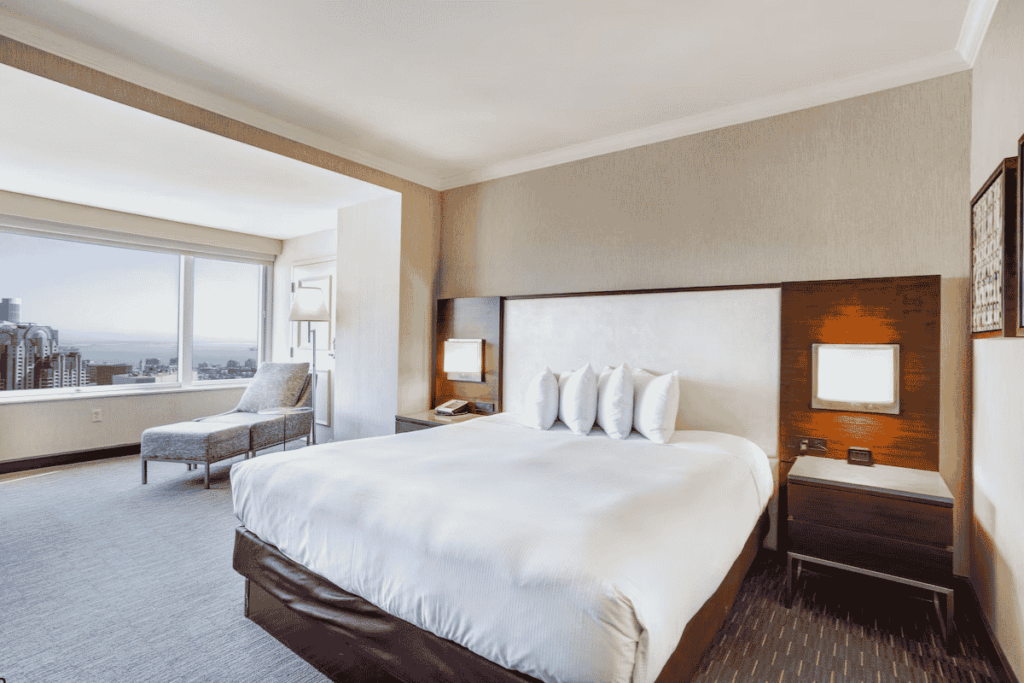
Located in the heart of the city, this hotel works well for short business, or leisure stays thanks to its easy access to shopping, restaurants, and transport links.
5* Crowne Plaza Changi Airport – Singapore
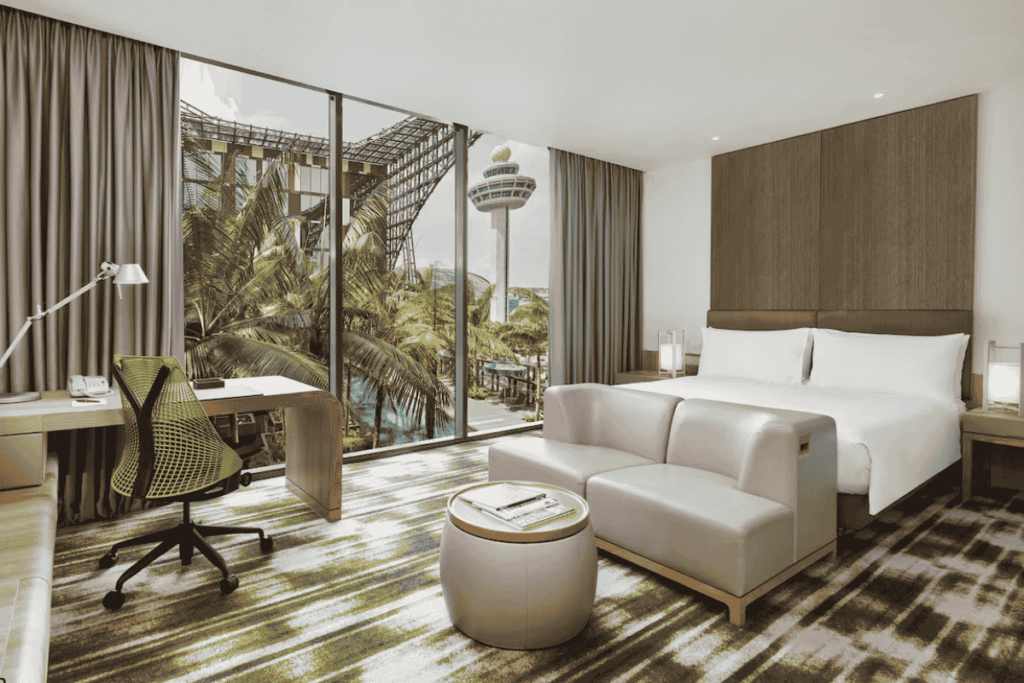
Ideal for stopovers and transit travellers, this airport-connected hotel combines convenience with comfort, helping clients avoid long transfers during short stays.
Reliable brands, central locations, and efficient connectivity continue to be the biggest drivers for shorter trips.
Long stays need a different approach
Once clients stay longer, priorities begin to shift. Comfort, space, and overall atmosphere become far more important over several days.
Travellers on extended holidays usually prefer hotels that offer larger rooms, resort facilities, multiple dining options, and a more relaxed pace.
5* Pullman Maldives All-Inclusive Resort – Maldives
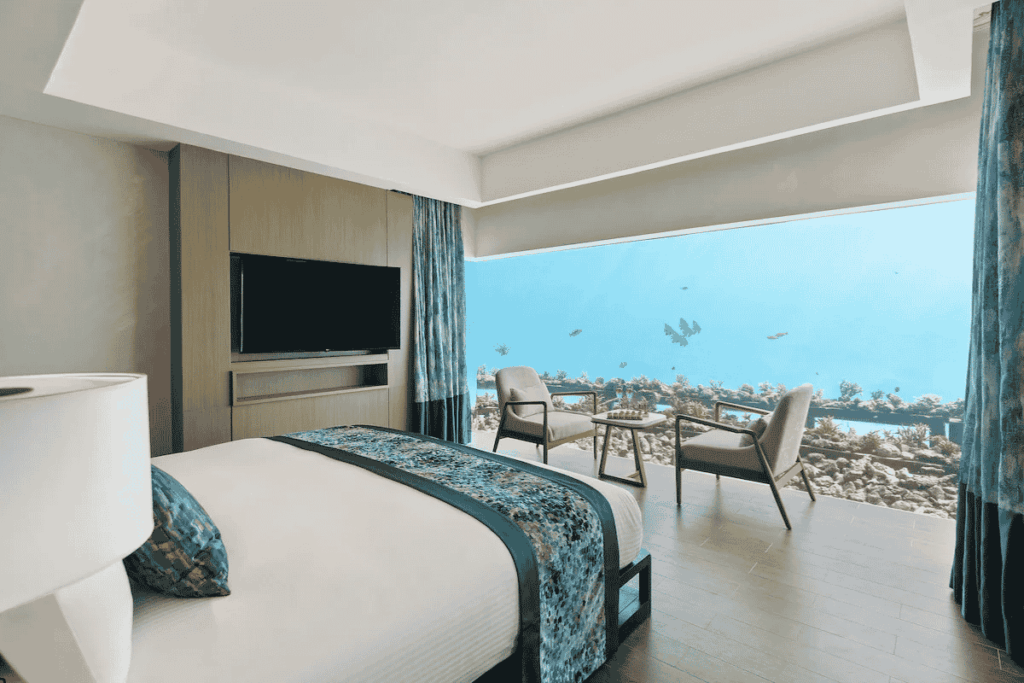
For longer leisure stays, this resort offers the kind of comfort and facilities travellers expect from an island escape. Spacious villas, all-inclusive dining, and wellness experiences make it easy for guests to settle in for several nights.
5* The Oberoi Beach Resort Lombok – Lombok
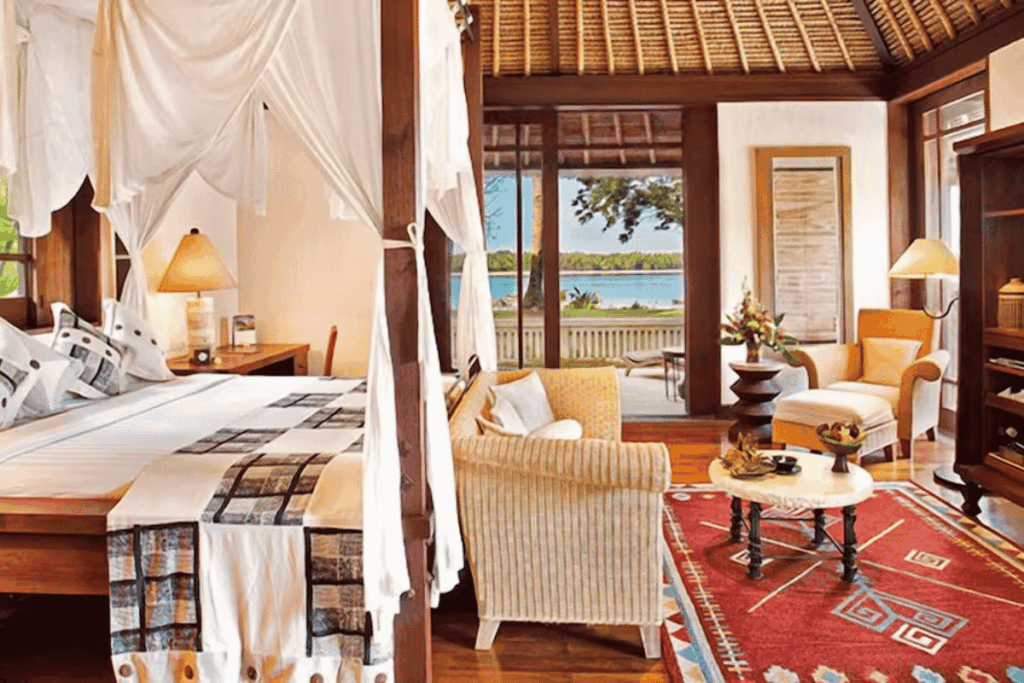
Known for its peaceful setting and personalised service, this beachfront resort is ideal for travellers looking to slow down and fully enjoy the destination over a longer stay.
5* Rixos Premium Saadiyat Island – Abu Dhabi
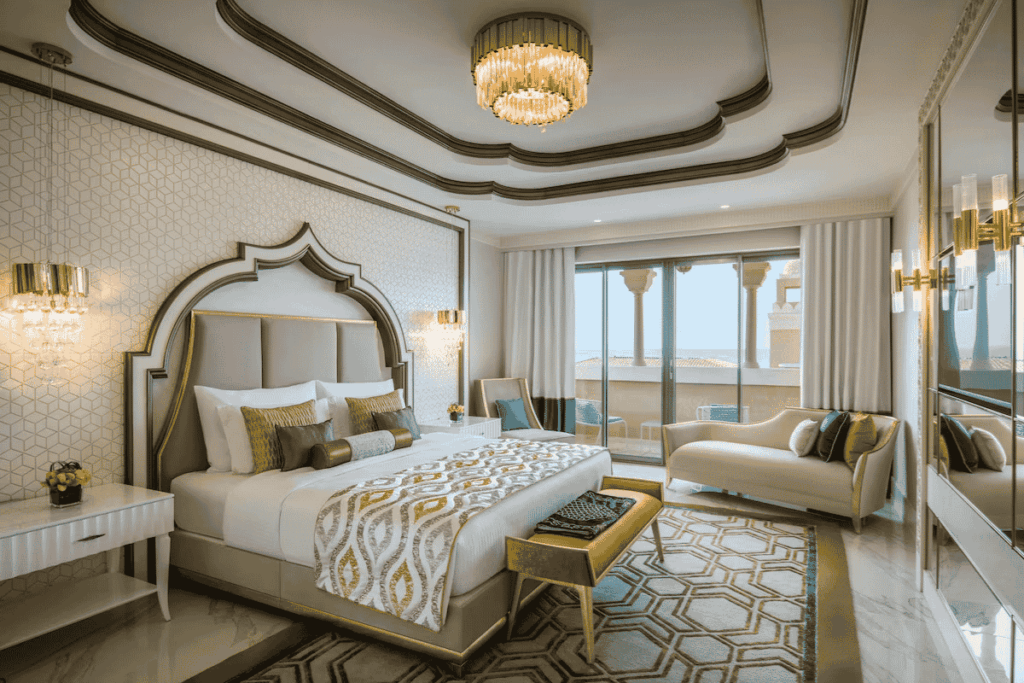
With multiple dining options, beachfront access, pools, and family-friendly facilities, this resort-style property works particularly well for extended family holidays and luxury leisure stays.
For long stays, clients are often looking for hotels that become part of the holiday experience itself.
Why the right match matters
Recommending the wrong hotel for the trip length can affect the overall experience. A compact city hotel may feel ideal for a weekend but restrictive after a week. Likewise, a resort far from the city centre may not suit travellers visiting for only a short break.
That’s why many agents are now combining different hotel styles within the same itinerary, such as a city hotel followed by a beach resort stay to create a more balanced experience.
What agents are seeing right now
Current booking trends show:
• Short stays continue to favour centrally located city hotels
• Long stays are driving stronger demand for resorts and spacious properties
• Clients increasingly value flexibility and convenience
• Mixed itineraries are becoming more popular across leisure travel
Understanding these booking patterns helps agents recommend hotels more confidently while improving the overall client journey.
Top tips for travel agents
- Sell convenience for short stays: Central locations and transport access matter most.
- Sell comfort for long stays: Space, facilities, and atmosphere become bigger priorities over time.
- Match the hotel to the itinerary pace: Fast-moving trips and relaxed holidays need different hotel styles.
- Recommend split stays where possible: Combining city and resort hotels can improve both experience and booking value.
- Ask clients how they plan to spend their time: This helps identify the right hotel much faster.